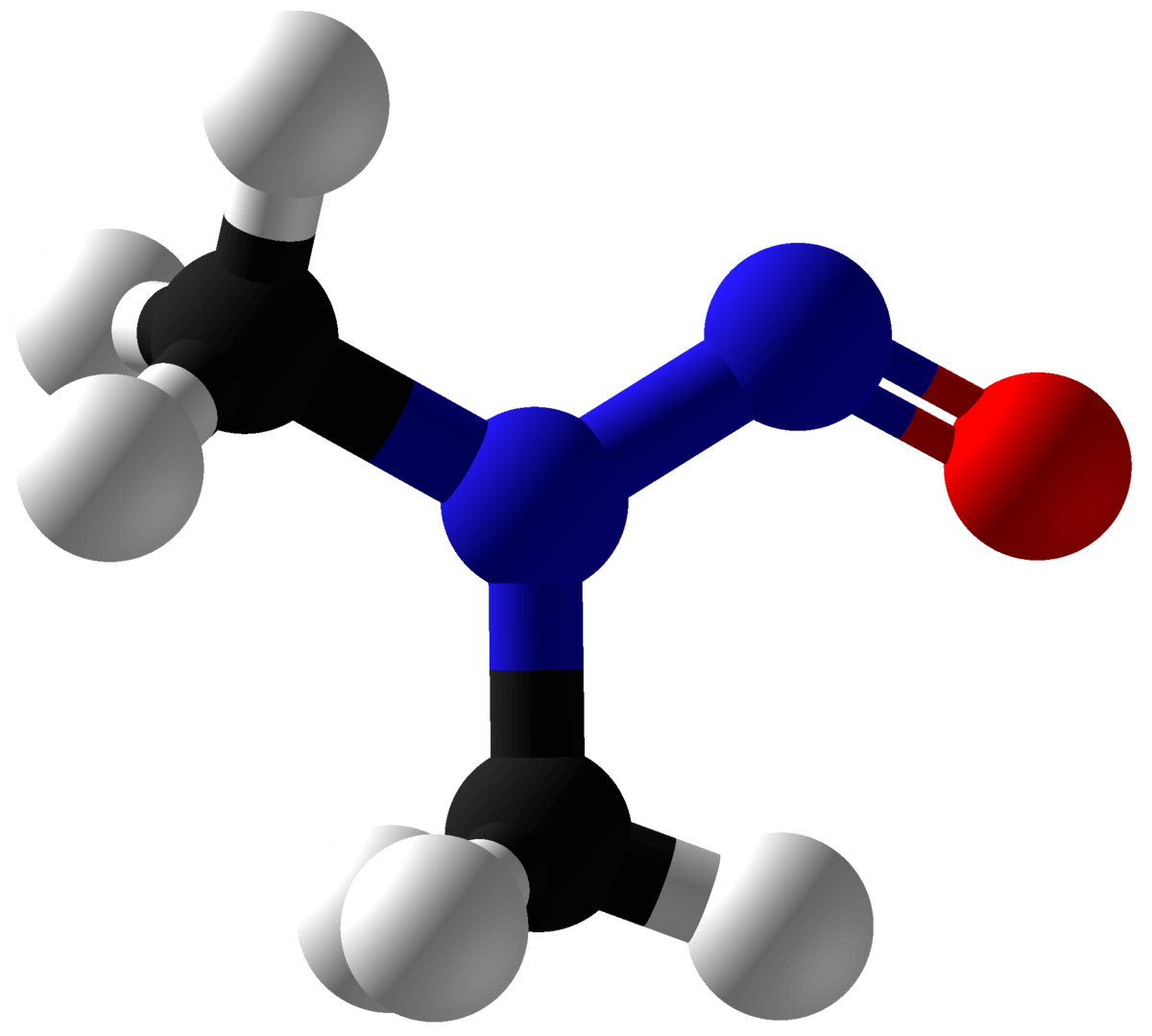
Nitrosamines (N-nitrosamines) are a group of chemical compounds containing the characteristic N–NO group. They are usually formed by the reaction of secondary amines or certain primary amines with nitrosating agents (e.g., nitrites) under acidic conditions or during high-temperature processes.
Most Frequently Monitored Impurities The most commonly monitored nitrosamines in the pharmaceutical industry include:
- NDMA (N-nitrosodimethylamine),
- NDEA (N-nitrosodiethylamine),
- NMBA, NDIPA, NEIPA,
- and API-specific nitrosamines (e.g., N-nitroso-RPV, N-nitroso-valsartan).
Classification and Safety Nitrosamines are classified by the International Agency for Research on Cancer (IARC) as probable or confirmed carcinogens (Class 2A/1). Their toxicity is primarily due to their ability to alkylate DNA, which poses a significant mutagenic and carcinogenic risk.
Analytical Methodology Due to the necessity of detecting these impurities at very low levels (often trace amounts), the primary and reference method used in pharmaceutical laboratories is LC-MS/MS (Liquid Chromatography-Tandem Mass Spectrometry). This technique ensures the required sensitivity, selectivity, and specificity for reliable analysis.
If you are interested in nitrosamine analysis, please email contact@mtlab.pl or call +48 577 677 444.